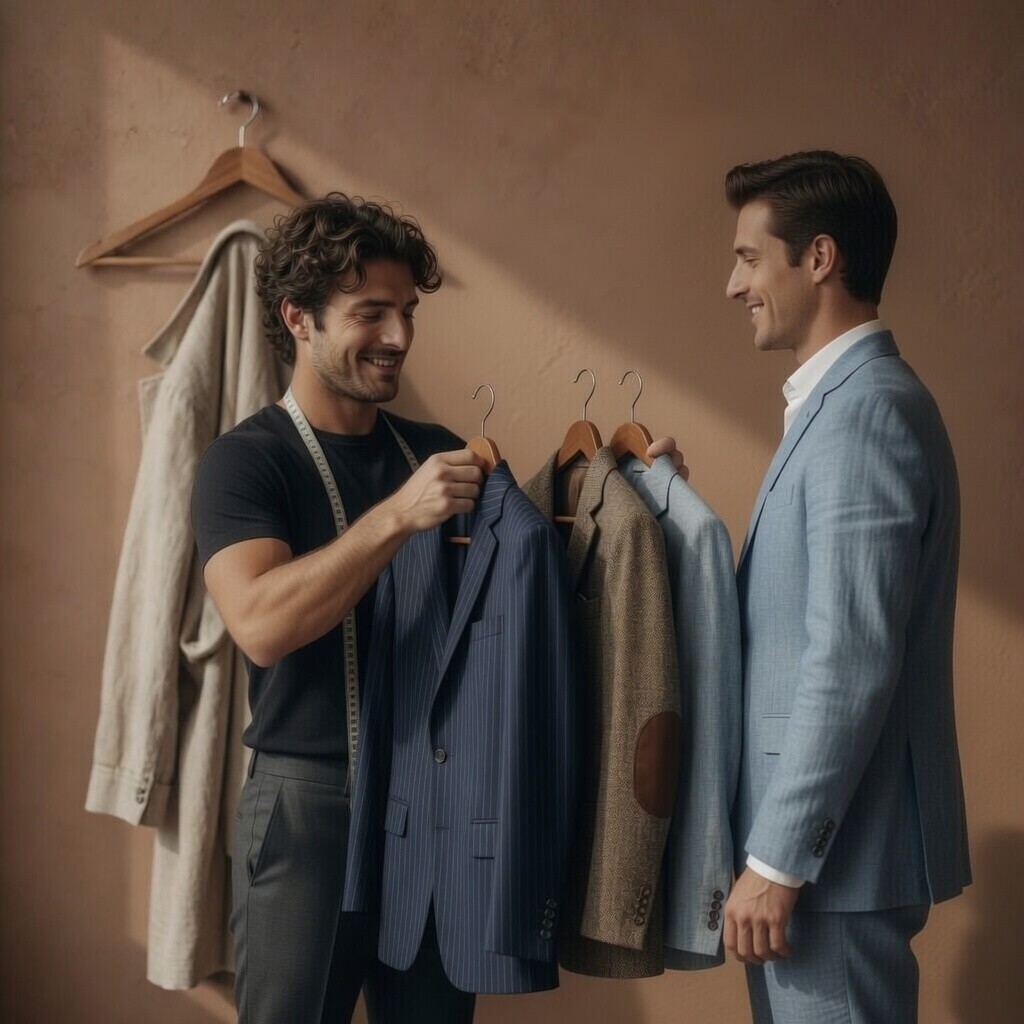
Linen
A stylist’s eye for what works on you, what suits the moment, and how to dress without thinking about it, for people who want to look right and stop spending energy on it.

How a stylist sees.
Style isn’t taste. Taste is what you like. Style is what works on you and what you can live in. Most people confuse the two and end up with closets full of things they admire but don’t wear.
I start with the life, not the wardrobe. What does your week actually look like? Where do you spend your time? Who are you dressing for, and which version of yourself are you trying to be present as? The wardrobe answers those questions, not the other way around.
Three pillars: fit, fabric, color. Fit is the difference between a hundred-dollar piece looking right and a thousand-dollar piece looking off. Fabric is what makes clothes age well, drape well, and feel good. Color is what makes you look like yourself instead of someone else’s mannequin.
A capsule wardrobe isn’t austerity. It’s leverage. Twenty pieces that work together give you more outfits than fifty pieces that fight each other. The discipline is choosing pieces that earn their place.
I don’t chase trends. Trends are designed to make you feel behind. I work with what’s enduring, silhouette, proportion, quality, and let trends inform the edges, not the foundation.
Looking good is mostly looking like yourself. The work is finding what yourself actually looks like, and then making it easy to put on every morning.
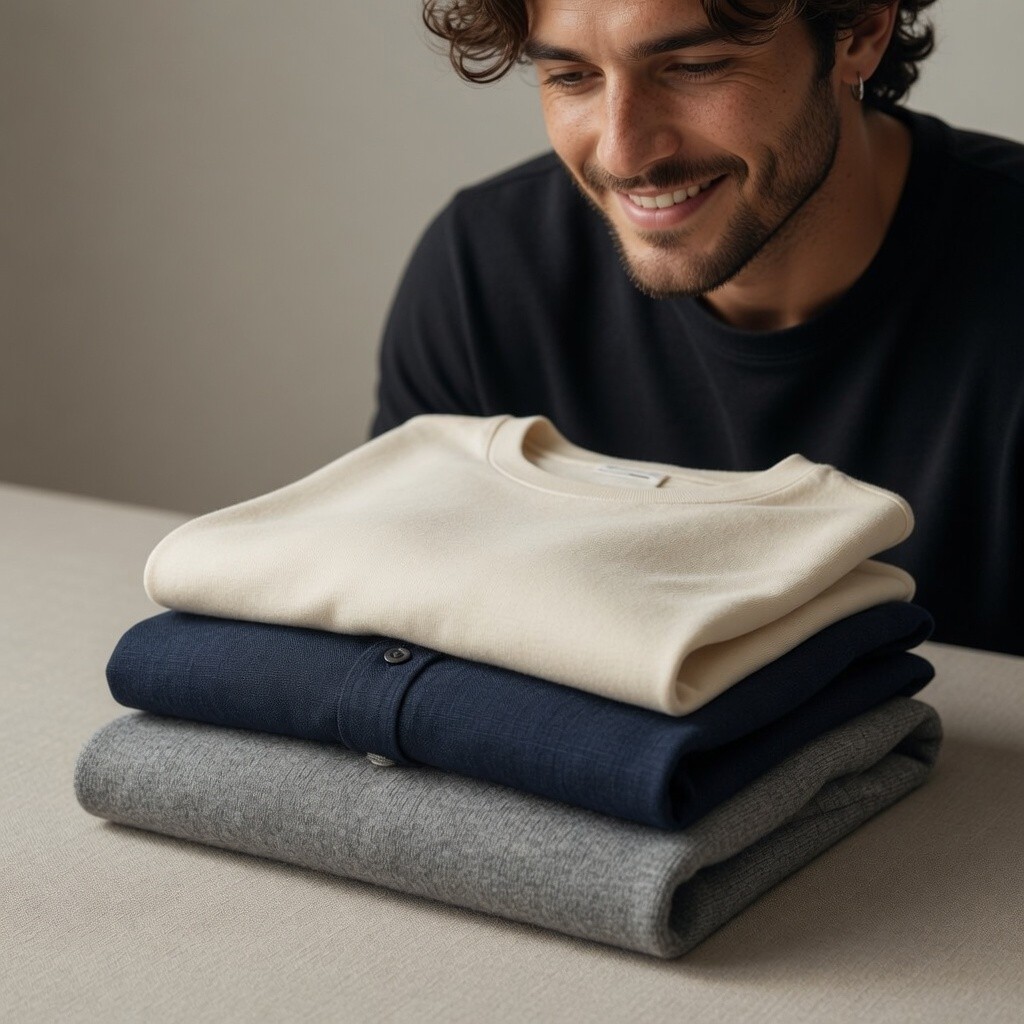
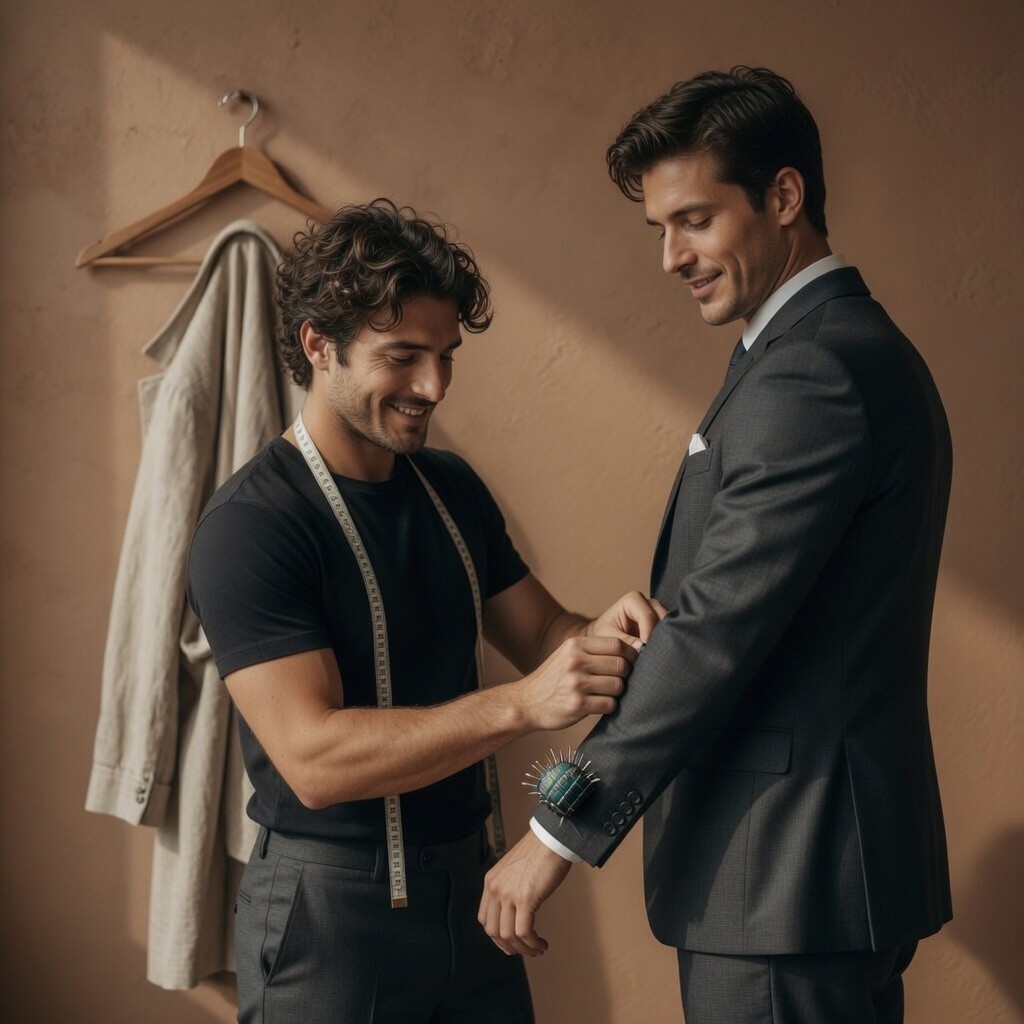
Situations I’ve worked.
A senior executive who’d been wearing the same five suits for fifteen years — rebuilt around eight pieces that worked across boardroom, travel, and dinner, none of them suits.
A founder dressing twenty years older than they were, solved by separating “professional” from “formal” and finding the version of professional that fit their actual life.
A client with a closet of beautiful pieces that didn’t talk to each other, culled to the pieces that did, replaced the gaps with three foundation items, and the closet started working.
Someone preparing for a public-facing role, built a uniform of three reliable looks they could rotate without thinking, freeing the energy for the actual work.
A client whose body had changed and whose wardrobe hadn’t, solved by tailoring the pieces worth keeping, donating the pieces that weren’t, and stopping the daily morning friction.
The pattern is that most style problems are decision-fatigue problems. My job is to reduce the number of decisions you make about clothes to near zero, while making sure the few you do make are right.